
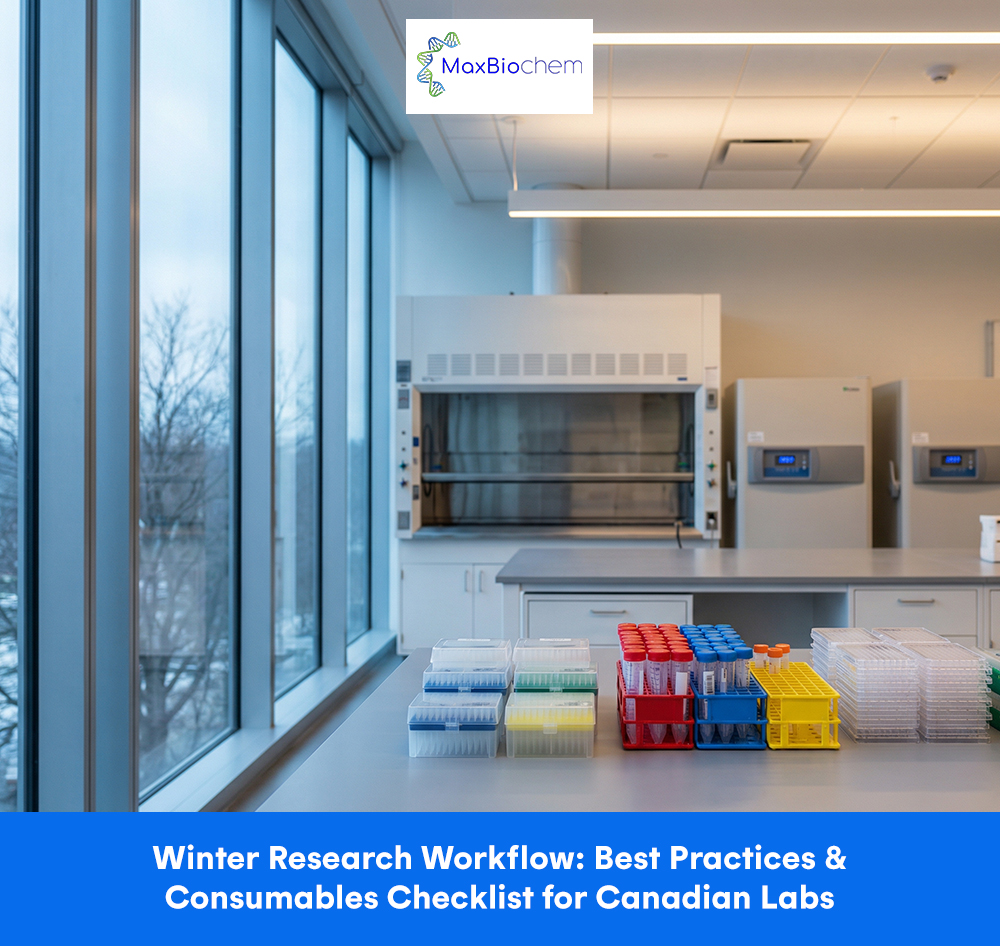
Canadian winters bring unique challenges, from fluctuating ambient conditions to increased strain on climate control systems and equipment, that can impact daily research workflow and consumables usage. Preparing ahead with clear research workflow best practices Canada and a strategic lab consumables checklist Canada helps research teams maintain productivity through the colder months.
As a leading laboratory consumables supplier in Canada, MaxBiochem has supported research facilities across Calgary, Edmonton, Toronto, Brampton, London, Winnipeg, Regina, and Halifax for over 11 years.
Why Winter Planning Matters for Labs
Winter in Canada often means harsher indoor environmental conditions such as lower humidity levels and steeper demands on HVAC systems. These factors can affect laboratory instruments, reagent stability, and sample integrity if not accounted for in operational processes.
Seasonal planning helps labs:
- Maintain stable environmental conditions
- Protect sensitive equipment
- Ensure critical consumables are stocked
- Avoid unplanned downtime
This approach minimizes seasonal disruptions and supports continuity of research priorities.
Winter Lab Workflow Tips
Adjusting lab routines for winter is part of effective Canadian research lab winter planning:
Environmental Monitoring
Regularly check temperature and humidity levels:
- Monitor throughout controlled spaces, especially near exterior walls
- Calibrate sensors to accommodate seasonal fluctuations
- Document readings to identify concerning trends
- Install dedicated monitors in critical areas
Identify microclimates:
- Document which areas are most affected by exterior conditions
- Move sensitive experiments away from problematic zones
- Plan experiments around known environmental challenges
Cold Chain Vigilance
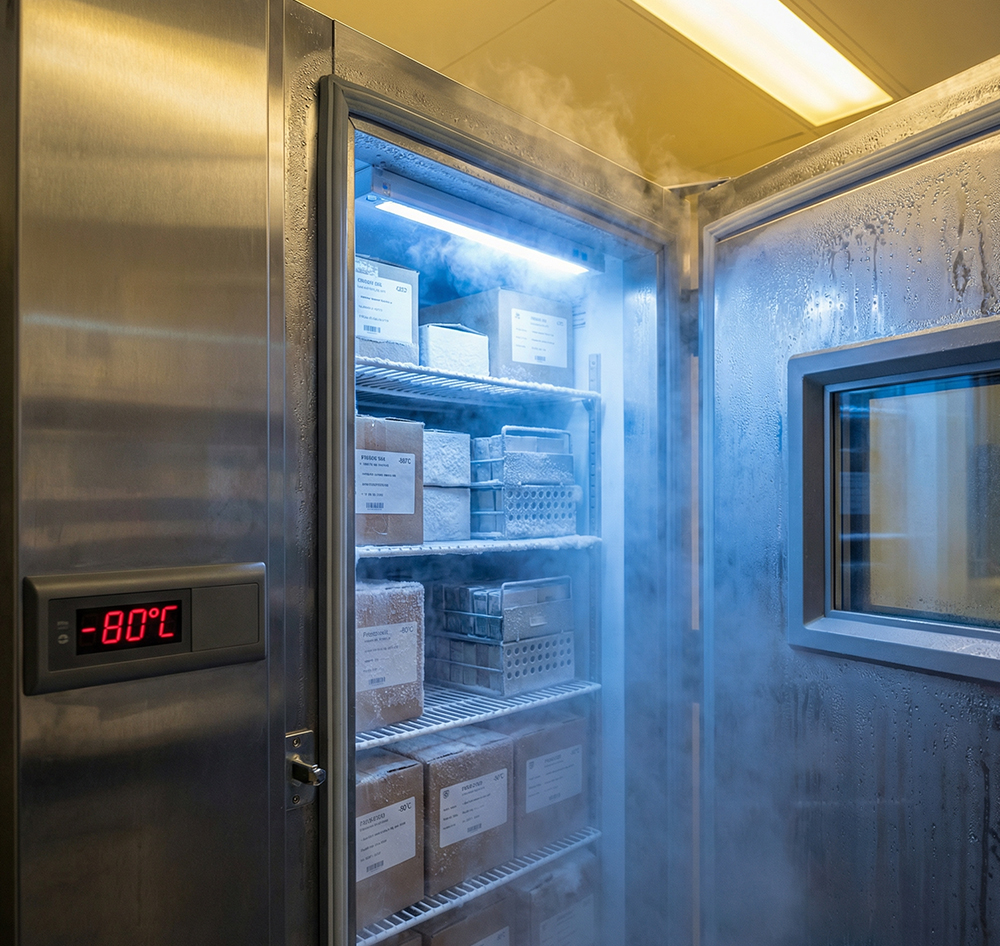
Equipment like ultra-low freezers and sample refrigerators work harder in winter; daily checks mitigate risk of failure.
Daily equipment checks:
- Visual inspection of temperature displays
- Listen for unusual compressor sounds
- Check door seals for frost buildup
- Clean condenser coils more frequently
Sample management:
- Know what you have and where it’s stored
- Identify most critical samples requiring backup
- Ensure proper labeling and documentation
- Consider consolidating samples
Energy and Power Preparations
Verify backup power sources:
- Test UPS systems before winter
- Confirm generator fuel levels and operation
- Identify equipment on emergency power circuits
- Know backup power duration for critical equipment
Ensure critical equipment has UPS support:
- Ultra-low freezers and sample storage
- Incubators and cell culture equipment
- Environmental monitoring systems
- Data logging and alarm systems
Safe Sample Handling
Minimize exposure to environmental challenges:
- Heat-sensitive or desiccation-prone samples are particularly vulnerable
- Plan sample transfers during stable environmental periods
- Avoid transporting through heated corridors or drafty areas
- Use cooling blocks for extended bench work
Lab Consumables Checklist Canada
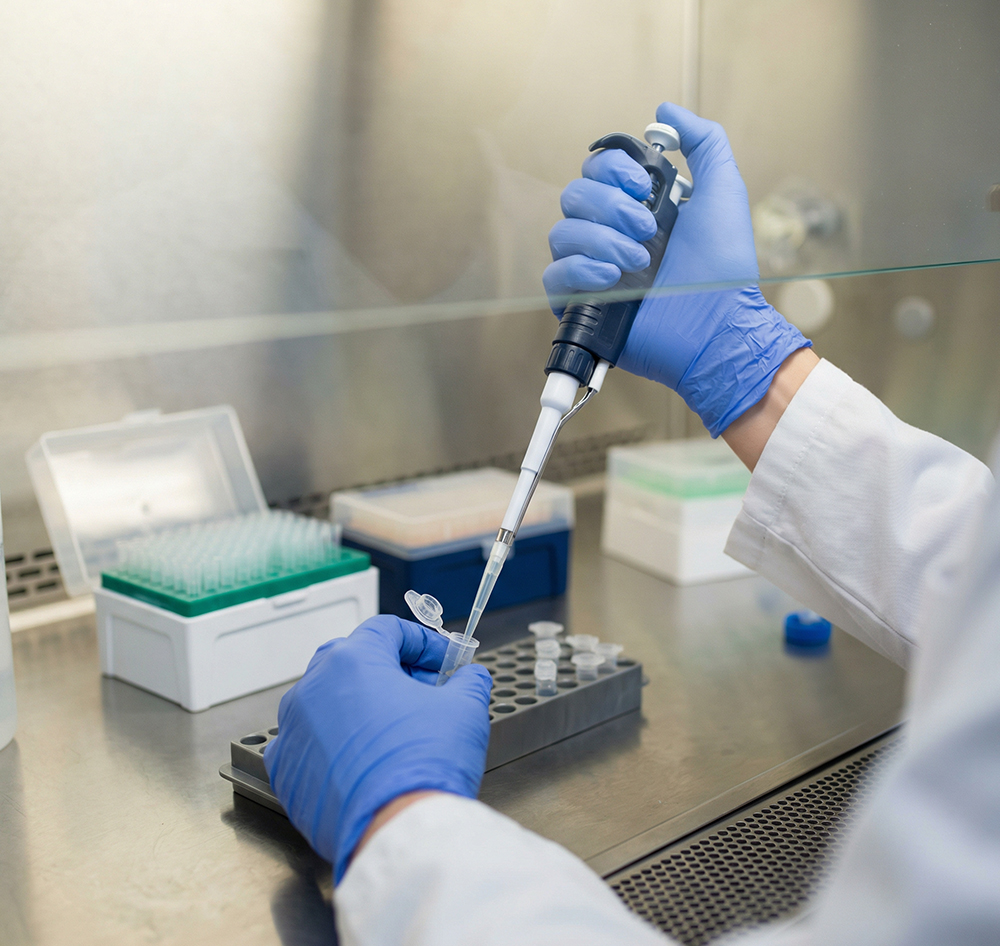
A robust lab consumables checklist Canada helps prevent shortages during peak winter demand and shipping delays. MaxBiochem maintains extensive inventory specifically to help Canadian labs avoid winter supply chain disruptions.
Essential Consumables
Gloves: Nitrile and latex gloves, multiple sizes, 2-3 months supply
- Without filter for general use
- With filter for sensitive assays
- LTS tips if applicable
- Multiple volumes (10µL, 20µL, 200µL, 1000µL)
Tubes, Plates, Reservoirs:
- Centrifuge tubes (0.5mL, 1.5mL, 15mL, 50mL)
- PCR tubes and strips
- Cryo tubes for sample storage
- Culture tubes for cell work
- ELISA plates for immunoassays
- Sample reservoirs
- Transport tubes
Filters: Syringes and syringe filters for sterile filtration
Tissue Culture Consumables
Tissue Culture Plates: 6, 12, 24, 48, 96-well formats
Tissue Culture Flasks: T25, T75, T175 sizes
Cell Culture Tubes: Various sizes, DNase/RNase free
Petri Plates: Sterile packaging important during winter
Serological Pipettes: 1mL through 50mL volumes
Environmental & Equipment Supports
- Desiccants and humidity control packs
- Filtered tips for sensitive assays (critical when static is high)
- Cleaning and calibration fluids
Cold Chain & Storage
- Ice packs and phase change materials
- Tube racks for organization
- Temperature loggers and spare batteries
- Freezer boxes and dividers
Safety & Backup
- Spare PPE (lab coats, eye protection)
- Backup batteries for monitors
- Autoclave bags (extra capacity)
- Emergency contact lists
Glassware
For labs using glassware:
Ensuring these materials are on hand prevents workflow interruptions caused by seasonal supply fluctuations or delivery challenges.
Workflow Best Practices Winter Season
Inventory Oversight
Maintain updated lists:
- Document on-hand consumables quantities
- Track usage rates for each type
- Compare to historical data
- Adjust ordering patterns
Anticipate usage:
- Winter often means increased lab time
- Grant deadlines may cluster
- Plan for year-end ordering before purchasing departments close
FIFO Approaches
Use first-in-first-out systems:
- Reduces degradation in frequently-cycled items
- Label items with receipt dates
- Rotate stock when new shipments arrive
- Check expiration dates regularly
Routine Audits
Schedule regular checks:
- Weekly quick checks of high-use items
- Monthly comprehensive inventory audits
- Pre-winter full audit to establish baseline
Equipment inspections:
- Daily checks of cold storage
- Weekly HVAC inspection
- Monthly equipment maintenance
- Quarterly calibration verification
Communication Protocols
Standardize communication:
- Clear process for requesting consumables
- Designated ordering person (with backup)
- Regular stock level updates to team
- Advance notice of equipment downtime
Winter scheduling:
- Coordinate HVAC maintenance windows
- Plan experiments around service schedules
- Establish emergency contact protocols
Working with MaxBiochem
MaxBiochem has been managing supplies and inventory for Canadian labs for over 11 years.
Why Choose MaxBiochem:
Extensive Canadian Inventory: Stock maintained specifically for winter supply challenges, located in Calgary
Quality Assurance: DNase/RNase free options, clean room manufacturing, EHS certified
Reliable Delivery: Consistent shipping even during supply disruptions, nationwide service
Competitive Pricing: Prices on par or lower than larger companies, volume discounts available
Expert Support: Technical assistance, winter preparedness planning, rapid response
NEST Products: Authorized distributor of NEST Biotechnology products
Regional Winter Challenges
Prairie Provinces (Alberta, Saskatchewan, Manitoba): Extreme cold (-30°C to -40°C), severe equipment stress, very low humidity
Ontario: Moderate cold, ice storm power risks, urban vs rural differences
Atlantic Provinces: Maritime humidity, winter storm shipping delays, moderate temperatures
Understanding regional variations helps tailor winter planning.
Limitations and Considerations
While best practices reduce risk:
- Some winter effects are local and lab-specific
- Supply chain delays may still occur despite planning
- Facility modifications require institutional approval
- Balance risk mitigation against budget and space
Recognizing limitations helps labs avoid unrealistic expectations while improving readiness.
Conclusion
A thoughtfully planned winter workflow, rooted in research workflow best practices Canada and reinforced with a comprehensive lab consumables checklist Canada, minimizes seasonal challenges and keeps research activities on schedule.
Canadian labs that review environmental conditions, stock essential materials, and refine routine practices are better positioned to navigate the colder months with confidence and efficiency. By partnering with reliable Canadian suppliers like MaxBiochem, research facilities ensure consistent access to quality consumables regardless of winter weather challenges.
Prepare your lab for winter success. Contact MaxBiochem today to discuss your consumables needs.
Call: 403-923-1807 | Email: info@maxbiochem.com
FAQs
Q1. Why is winter planning important for Canadian research labs?
Ans. Winter conditions significantly affect equipment performance, consumables stability, and environmental control systems. Cold weather stresses freezers and refrigerators, heating systems reduce humidity creating static electricity, temperature fluctuations affect instruments, and shipping delays disrupt supply chains. Labs in Calgary, Edmonton, Winnipeg face particularly severe challenges with -30°C to -40°C temperatures. Proactive planning prevents equipment failures, research delays, and experimental compromises. MaxBiochem helps Canadian labs prepare by maintaining extensive inventory for winter supply challenges.
Q2. What are key winter lab workflow tips?
Ans. Critical tips include: (1) Environmental monitoring, check temperature and humidity throughout lab spaces, especially near exterior walls, (2) Cold chain vigilance, daily freezer/refrigerator inspection, frequent condenser coil cleaning, (3) Power backup verification test UPS systems and generators before winter, (4) Sample handling protocols, minimize temperature-sensitive sample exposure to heated corridors or drafts, and (5) Increased equipment maintenance, schedule preventive maintenance before winter peak stress. These practices sustain operations and prevent disruptions.
Q3. What should be included in a lab consumables checklist Canada?
Ans. Essential winter consumables: Gloves (nitrile and latex), pipette tips (with and without filters), tubes (centrifuge, PCR, cryo, culture), plates (ELISA, tissue culture), tissue culture consumables (flasks, plates), serological pipettes, desiccants, autoclave bags, syringes and filters. Stock 2-3 months supply to buffer winter shipping delays.
Q4. How can workflow best practices winter season reduce risk?
Ans. Winter best practices reduce risk through: Inventory oversight, maintaining updated consumables lists prevents shortages, FIFO approaches, first-in-first-out rotation reduces degradation, Routine audits, weekly checks identify needs before critical shortages, Communication protocols, standardized ordering prevents miscommunication, Equipment monitoring, daily cold storage checks catch problems early. These systematic approaches reduce seasonal disruptions, prevent equipment failures, and maintain research continuity during winter challenges.
Q5. Are winter workflow challenges the same for all labs?
Ans. No, impacts vary by facility design, research type, and climate. Prairie provinces face extreme cold (-30°C to -40°C) creating severe equipment stress. Ontario labs experience ice storm power risks. Atlantic provinces face maritime humidity and storm shipping delays. Labs near exterior walls experience greater temperature challenges. Molecular biology labs face different concerns (static contamination) than cell culture facilities (media preparation increases). MaxBiochem understands these regional variations across Canada.
Q6. How long should winter supply buffers be?
Ans. Canadian labs should maintain 2-3 months supply of critical consumables, compared to typical 2-4 weeks. This accounts for shipping delays from winter weather, holiday closures, increased winter usage, and emergency backup needs. MaxBiochem’s extensive Canadian inventory helps labs avoid issues, but prudent planning remains important.
Q7. What tissue culture supplies are critical for winter?
Ans. Critical supplies: Tissue culture plates (6-96 well formats) in 2-3 months supply, tissue culture flasks (T25-T175), serological pipettes (all volumes), cell culture tubes, petri plates. Tissue culture can’t wait for delayed shipping, cells die if consumables run out. Winter increases contamination risk, so extra sterile consumables matter.
Q8. How does MaxBiochem support Canadian labs through winter?
Ans. MaxBiochem provides: Canadian inventory, 11+ years managing supplies for Canadian labs, stock maintained for winter supply chain issues, Reliable delivery, consistent shipping even during disruptions (proven during COVID-19), Quality products, DNase/RNase free consumables, clean room manufacturing, Competitive pricing, wholesale rates, volume discounts, Expert support, winter planning assistance, rapid response to urgent needs. Located in Calgary, we personally understand Canadian winter lab challenges.
Q9. What equipment requires extra winter attention?
Ans. Critical equipment: Ultra-low freezers and refrigerators, work harder in winter, need daily checks, frequent coil cleaning, door seal verification. Incubators, monitor temperature stability, humidity control. HVAC systems, coordinate maintenance, monitor lab patterns. Power systems, test UPS batteries and generators. Environmental monitors, calibrate sensors, test alarms. Analytical instruments, verify environmental requirements, check for condensation.
Q10. Can MaxBiochem provide urgent winter deliveries?
Ans. Yes, MaxBiochem maintains extensive Canadian inventory for rapid delivery even during winter challenges. We serve labs across Alberta, Ontario, Saskatchewan, Manitoba, Nova Scotia, and throughout Canada. Our Calgary location means no waiting for international shipping. For urgent needs, contact us at 403-923-1807 or info@maxbiochem.com, we respond within 24 hours and expedite critical orders. Research can’t wait, and our commitment means supporting you through winter challenges.