

On the front line of cell and microbial studies of every research and diagnosis lab are culture plates and cell culture tubes. Regardless of if you are using polystyrene culture tubes with mammalian cells or you’ve got a plate of bacteria on agar; good technique is the difference between good results and wasted time.
Here at Maxbiochem, we offer premium lab items that keep researchers sterile and in the flow. But positive outcomes also rely on adhering to best practices. Here’s a clear, step-by-step guide to establishing and managing your culture plates properly.
Preparation:
1. Begin With a Clean Surface ORGANIZE your work area.
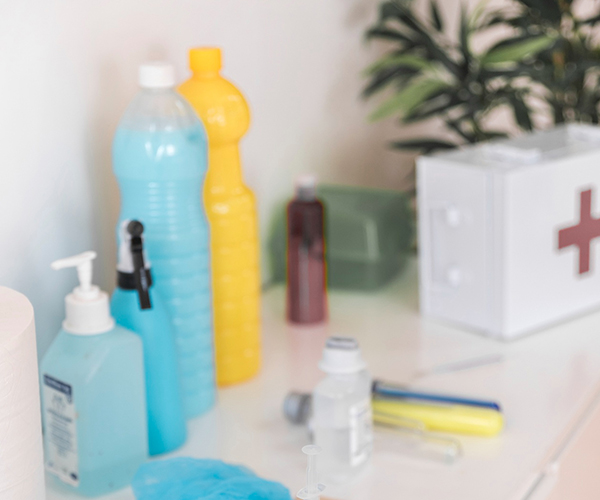
If so then aseptic techniques are the basis of any successful culture. Before you even open a plate or tube:
- Work in a biosafety cabinet / clean bench.
- Disinfect surfaces using 70% ethanol.
- Put on gloves, a lab coat, and eye protection.
- Pre-Stage your plastic culture tubes, pipettes, and reagents so that your exposure is minimized.
A clean work area reduces cross-contamination and helps you grow your cells or microbes in a controlled environment.
2. Handling Culture Plates and Tubes
The culture plate & tubes, whether plates, vessels or flasks, should be handled gently:
- Always disinfect the outside of the tubes before taking them into the hood.
- Do not speak or lean over containers of detergent.
- Open covers only as required and set it cover-side down on a clean surface.
- Media instead of poured directly, using sterile pipette or filter tips.
Selecting high quality plastic or polystyrene Culture Plate & tubes from a well known lab source guarantees sterility and reproducibility.
3. Inoculation and Incubation
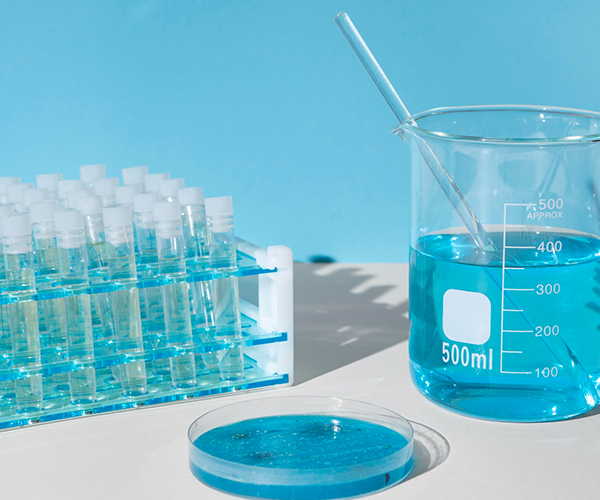
After your culture system is set up, the culture and incubation is as follows:
- Ensure that plates are fully coated with collagen, fibronectin, or gelatin for attaching cells.
- A highly moisture CO2 incubator at 37 °C is required for most mammalian cultures.
- Exact temperatures for optimal growth vary among species, but most can grow at temperatures between 25 and 37 °C.
Try to keep incubator doors closed as much as possible, even minor temperature shifts or contamination can spell disaster for experiments.
4. Monitoring Growth and Maintaining Cultures
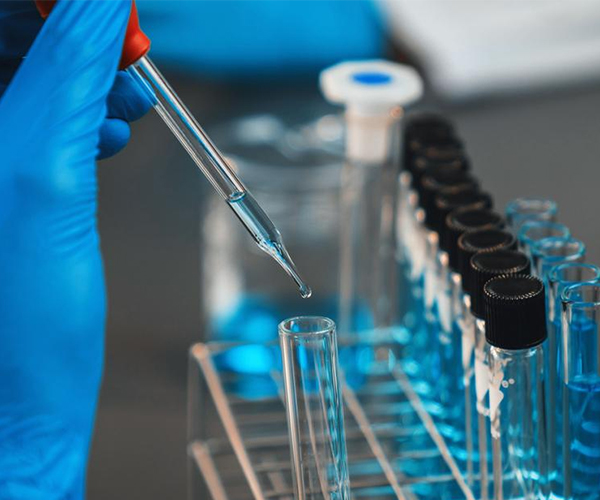
Daily observation is crucial:
- Inspect color of media – phenol red reflects pH changes.
- Watch for cloudiness or colouration indicating contamination.
- Feeding eukaryotic culturesFeed eukaryotic cultures regularly (e.g., 2 to 3 times a week).
- Passage the cells before they become fully confluent to prevent stress and non-specific differentiation.
Easy to write date, cell line and passage number on surface avoids negative note mix-ups and guarantee reproducibility.
5. Tracking Results and Record-Keeping
As with any tool, a culture plate is further limited by the quality of the information it provides. Keep meticulous records:
- Keep a record of your work in a lab log or digital format.
- Record seeding density, type of media, passage number and feeding.
- Take photographs on a schedule under a microscope in order to follow morphology and growth.
- For microbial cultures, count colonies per plate (optimal range: 25-250 CFU).
This accurate tracking is the basis for a reliable data set for later analysis and publication.
The importance of consumables selection
And even the best protocols don’t work with low-quality supplies. Quality laboratory consumables, starting with sterile cell culture tubes and the highest purity reagents, enable you to safeguard the integrity of your experiments.
off At Maxbiochem we are allied with labs throughout North America to supply:
- Sterile plastic or polystyrene tubes for culture
- Culture plates, flasks, and pipettes
- Reagents and growth media
Rapid shipping services from your favourite lab supply distributor in Calgary and the surrounding areas
FAQs – Culture Plate
Why does everyone stress aseptic technique so much?
Because even a tiny slip can contaminate your culture. A clean setup keeps your results trustworthy and saves you from having to start over.
What temperature should I keep my cultures at?
It depends on what you’re growing. Mammalian cells usually prefer 37 °C with CO₂, while many bacteria do fine anywhere between 25–37 °C.
How do I spot if my culture’s gone bad?
Check the media daily. If it looks cloudy, changes color unexpectedly, or has odd smells, there’s a good chance contamination has crept in.
What’s the best way to label my plates and tubes?
Keep it simple but clear: write the date, cell line, and passage number directly on the plate or tube. It avoids mix-ups and makes your records easy to follow.
Do the supplies I use really make that much difference?
Yes, even the best technique won’t help if your tubes, plates, or reagents aren’t sterile and reliable. Quality consumables give you a solid foundation for reproducible results.
Final Thoughts
A culture plate isn’t just a routine in-the-background thing to do; it’s the workhorse of experimental reliability. With proper processing methods, incubation setup and monitoring, you can protect your findings and steer clear of expensive mistakes.
Combine best practices with high-quality lab supplies from Maxbiochem to keep your research clean, accurate and publishable.